


tested by real growers in real conditions
-
Observed stronger spinach growth and improved overall plant condition
-
Visibly fuller growth and healthier-looking plants
with bug poop
Photos courtesy of Oadby Baptist
Church Community Gardens
without bug poop


WHY THIS WORKS (FAST EXPLANATION)
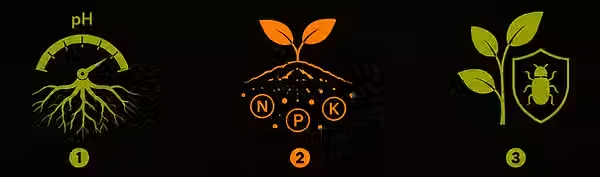
Microbes balance acids for optimal rootzone pH
Unlocks nutrients already in your soil
Insect chitin strengthens plant defences


the bug poop difference
Healthy potting soil depends on beneficial microbes. They recycle nutrients, support root health, and help plants make better use of what's already in the soil.
Bug Poop is collected from our own crickets, never heat treated, never granulated, and never diluted with fillers. This means the naturally occurring microbes remain intact, helping to support a healthy, active soil ecosystem
Together with naturally occurring chitin from the insects' exoskeletons, these microbes help create the conditions for stronger roots, improved nutrient cycling, and healthier plants.
Collected from our own crickets. Pure frass with no added feed residues or fillers.

never heat treated
never granulated
never diluted with fillers


Other frass products

What's in the bag?
100% concentrated cricket frass in dry, concentrated form. No fillers guaranteed.
It is produced in-house by us, from crickets we farm, so we control what goes into every bag.
DON’T TAKE OUR WORD FOR IT.
Our formulation is based on published plant science research into chitin and plant defence pathways.